
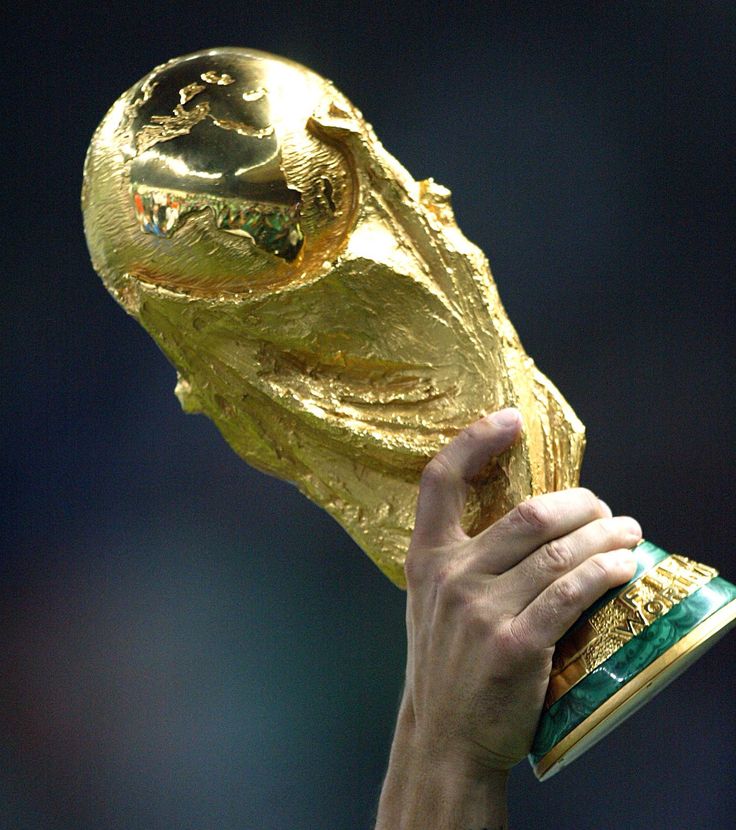
How Football’s Biggest Stage Was Born
Few sporting events capture the imagination of the world quite like the FIFA World Cup. Every four years, billions of people gather around televisions, in stadiums, and in fan zones to watch their nations compete for football’s greatest prize. Organized by FIFA, the tournament has grown from a small international competition into the most watched sporting event on Earth.
But the World Cup did not start as the massive global spectacle we know today. Its story is filled with bold ideas, historic matches, legendary players, and unforgettable moments that shaped football history.
The Idea That Changed Football Forever
In the early 20th century, football was already popular across Europe and South America. However, there was no true global tournament where the best national teams could compete against one another.
The man who helped make this dream a reality was Jules Rimet. As the president of FIFA, he believed football could bring nations together and promote unity through sport. Rimet pushed for the creation of an international tournament that would crown the world’s best team.
His vision finally became reality in 1930, when the first World Cup was hosted by Uruguay.
At the time, traveling across continents was difficult and expensive. As a result, only 13 teams participated in the tournament. Several European teams even had to travel by ship for weeks just to reach South America.
Despite these challenges, the tournament was a success. The final saw the Uruguay national football team face their fierce rivals, the Argentina national football team. Uruguay won 4–2, becoming the first champions in World Cup history.
A global football tradition had officially begun.
Early Growth and Global Interruptions
Following the success of the first tournament, the World Cup quickly gained attention. The next two tournaments were held in Italy in 1934 and France in 1938.
Italy dominated this early period, winning both tournaments and becoming the first team to defend the World Cup trophy.
However, the world soon faced a crisis that halted international football. The outbreak of World War II forced FIFA to cancel the 1942 and 1946 World Cups.
For nearly twelve years, the world had no global football championship.
When the tournament finally returned in 1950, fans were more eager than ever to see international football again.
The Shock That Silenced Brazil
The 1950 World Cup in Brazil produced one of the most dramatic moments in football history.
Brazil had built a massive stadium called the Maracanã Stadium, which held nearly 200,000 fans. The country expected to celebrate its first World Cup victory there.
All Brazil needed in the final match was a draw against the Uruguay national football team.
But football can be unpredictable.
In a shocking twist, Uruguay defeated Brazil 2–1, silencing the massive crowd. The upset became known as the “Maracanazo”, one of the most famous moments in football history.
The Era of Legends
By the late 1950s, the World Cup began producing players who would become global icons.
One of the greatest was Pelé. At just 17 years old, he stunned the world during the 1958 FIFA World Cup, helping the Brazil national football team win the tournament.
Pelé would go on to win three World Cups (1958, 1962, and 1970), becoming one of the most celebrated footballers of all time.
The 1970 World Cup in Mexico showcased one of the greatest teams ever assembled. Brazil’s attacking style, creativity, and flair made them a joy to watch.
They defeated the Italy national football team in the final to claim their third World Cup title and cement their place in football history.
Maradona and the Magic of 1986
Another unforgettable chapter in World Cup history came during the 1986 FIFA World Cup.
The tournament belonged to one man: Diego Maradona.
Maradona led the Argentina national football team to victory with a series of breathtaking performances. In the quarterfinal against England, he scored two of the most famous goals in football history.
The first became known as the “Hand of God”, while the second where he dribbled past several defenders from midfield was later called the “Goal of the Century.”
His brilliance helped Argentina lift their second World Cup trophy.
The World Cup Becomes a Global Phenomenon
By the 1990s, the World Cup had become the biggest event in international sport.
In 1998, the tournament expanded to 32 teams, allowing more nations from around the world to participate. That year, host nation France won the trophy for the first time, led by midfield superstar Zinedine Zidane.
Another historic moment came in 2010, when South Africa hosted the first World Cup on African soil. Spain triumphed in the final, with Andrés Iniesta scoring the winning goal.
A Final for the Ages
The most recent tournament, the 2022 FIFA World Cup, delivered one of the greatest finals ever played.
The match between the Argentina national football team and the France national football team was filled with drama, goals, and unforgettable moments.
Led by captain Lionel Messi, Argentina eventually won the match on penalties after a thrilling 3–3 draw.
For Messi, lifting the World Cup trophy was the crowning achievement of his legendary career.
The Future of the World Cup
The next tournament, the 2026 FIFA World Cup, will be the biggest in history.
It will be hosted by United States, Canada, and Mexico, and will feature 48 teams for the first time.
This expansion means more countries will have the chance to compete on football’s biggest stage.
Why the World Cup Matters
The FIFA World Cup is more than just a football tournament. It is a celebration of cultures, national pride, and the universal love of the game.
For a few weeks every four years, the world pauses to watch football’s greatest drama unfold.
From the dreams of a visionary like Jules Rimet to the magic of players like Pelé, Maradona, and Lionel Messi, the World Cup continues to create moments that will be remembered for generations.
And as football keeps evolving, the history of the World Cup is still being written.