
When to Pass, When to Tackle, and How to Defend Like a Pro
Defending in football is not just about winning tackles—it’s about making the right decisions at the right time. The best defenders in the world are not always the strongest or fastest, but they are the smartest.
Players like Virgil van Dijk and Paolo Maldini mastered defending through decision-making, positioning, and timing.
This guide breaks down the key tactical choices every defender must understand—so you can stop conceding goals and start controlling the game.
1. When to Pass Short vs When to Go Long
One of the most important decisions in defending is what to do after you win the ball.
✅ Pass Short When:
- Your team is in shape
- You have a clear passing option
- There is no immediate pressure
- You want to build possession
Short passes help your team:
- Keep control
- Build attacks patiently
- Maintain structure
Key idea: If it’s safe, keep the ball.
⚠️ Go Long When:
- You’re under heavy pressure
- Passing lanes are blocked
- You’re close to your own goal
- Your team needs to relieve pressure
A long ball is not a mistake—it’s often the smartest defensive decision.
👉 Key idea: Safety first. Don’t take risks near your goal.
2. When to Find the Midfielder vs the Striker
Your next decision is who to pass to.
🎯 Find the Midfielder When:
- They are in space
- They are facing forward
- Your team is building play
Midfielders help:
- Control the tempo
- Progress the ball
- Keep possession
👉 This is the “controlled” option.
🚀 Find the Striker When:
- The striker is making a run
- There is space behind the defense
- Your team wants to counterattack
A direct ball to the striker can:
- Create instant danger
- Turn defense into attack quickly
This is the “fast transition” option.
3. When to Pass Back to the Goalkeeper
Many players panic and avoid passing back—but it’s actually a smart tactical tool.
✅ Pass Back When:
- You are under pressure
- No forward options are available
- The goalkeeper is in space
- You want to reset the play
Modern goalkeepers act like playmakers. Players like Ederson are key to building attacks from the back.
Key idea: Passing back is not negative—it’s control.
❌ Avoid Passing Back When:
- The goalkeeper is being pressed
- The pass is risky or poorly angled
- There is a safer option available
Never pass back blindly always check first.
4. When to Pass to the Full-Back
Full-backs are often your safest wide outlet.
Pass to the Full-Back When:
- They are in space on the wing
- The middle is crowded
- You want to switch play
This helps:
- Stretch the opponent
- Escape pressure
- Open the pitch
Wide areas are often less dangerous and more forgiving.
Avoid When:
- The full-back is marked tightly
- They are under pressure facing their own goal
- The pass could lead to a turnover in a dangerous area
5. When to Slide Tackle vs When to Stay on Your Feet
This is one of the most important defensive decisions.
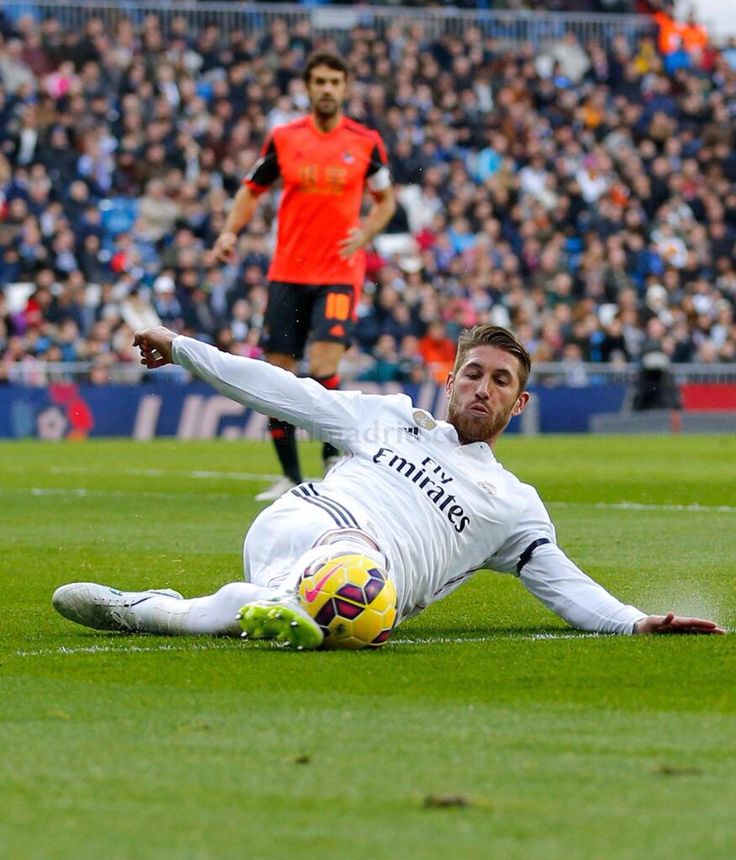
Slide Tackle When:
- You are certain you can win the ball
- It’s a last-ditch situation
- The attacker is about to shoot
- You have no other option
A well-timed slide tackle can save a goal.
Stay on Your Feet When:
- You are 1v1 with the attacker
- You have support coming
- The attacker is not in a dangerous position
- You are unsure of winning the ball
Defenders like Virgil van Dijk rarely dive into tackles—they delay and control.
Golden rule:
If you slide and miss—you’re out of the game.
6. When to Delay the Attacker (Jockeying)
Sometimes, the best defensive action is not tackling at all.
Hold the Attacker When:
- You are outnumbered
- Teammates are recovering
- The attacker is wide or far from goal
By delaying:
- You slow down the attack
- You force mistakes
- You allow your team to regroup
This is called defensive patience—a key elite-level skill.
7. Body Positioning: The Hidden Weapon
Good defenders don’t just react—they control the attacker’s movement.
- Show attackers away from goal
- Force them onto their weaker foot
- Stay side-on for balance
You’re not just defending—you’re guiding the attack into safe areas.
8. Communication: The Silent Advantage
Defending is a team effort.
- Talk to your teammates
- Warn them of danger
- Organize your backline
Great defenders lead, not just react.
Final Thoughts
Defending is about making smart choices, not just physical actions.
The best defenders:
- Think before they act
- Stay calm under pressure
- Choose the safest and smartest option
If you master these decisions—when to pass, when to tackle, when to wait—you will transform your game completely.
Because in football, great defending isn’t about stopping attacks…
It’s about controlling them before they even become dangerous.