The Psychology of the Penalty Shootout
The Loneliest Walk: Inside the Psychology of the Penalty Shootout
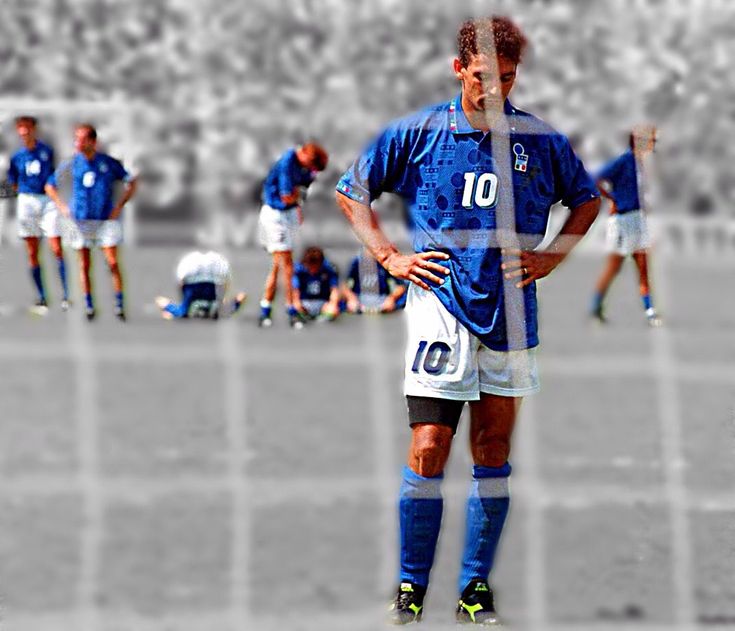
There is no distance in sport quite as agonizing as the 50-yard walk from the center circle to the penalty spot.
After 120 minutes of collective tactical battle, fluid team dynamics, and shared physical exhaustion, football strips itself down to an raw, existential duel. Twelve yards. One ball. One goalkeeper. A frame measuring 24 by 8 feet. For the kicker, it is statistically an overwhelming advantage—yet psychologically, it feels like standing on the edge of a cliff.
The penalty shootout is rarely a test of pure technical skill. Elite players can place a ball into the top corner in their sleep during practice. Instead, the shootout is sport’s ultimate psychological laboratory—a high-stakes arena where brain chemistry, behavioral economics, and human emotion clash in real time.
The Expectation
To understand why penalty takers suffer, one must understand the fundamental psychological asymmetry built into the laws of the game:
- The Taker carries all the risk: Scoring is considered the default outcome. If a taker scores, they have simply met expectations. If they miss, they bear the crushing weight of public scapegoating and failure.
- The Goalkeeper carries all the upside: Saving a penalty is viewed as heroic, while conceding is entirely forgiven. This structural freedom allows goalkeepers to play with a light heart and aggressive mind.
This dynamic creates what sports psychologists call explicit monitoring theory more commonly known as “choking.” Under extreme stress, the brain shifts from motor-program execution (automatic muscle memory) to conscious control. A player begins overthinking their technique, measuring every stride and ankle placement. The moment a athlete tries to consciously direct an automated physical action, fluid motion breaks down.
Key Psychological Dynamics at the Spot
Researchers like Dr. Geir Jordet, a leading sports psychologist who has spent decades analyzing thousands of shootout kicks, have uncovered the subtle behavioral cues that dictate who scores and who misses.
1. The Power of the Whistle
When the referee blows the whistle, anxious players tend to kick immediately—sometimes within less than a second—desperate to end the torture. Studies show that takers who wait at least one to two seconds after the whistle to begin their run-up have significantly higher conversion rates. Pausing forces self-regulation, calms the heart rate, and asserts control over the environment.
2. Body Language & Gaze Direction
- Looking Away: Players who turn their back to the goalkeeper while waiting or placement-walking miss far more often. Avoidance behavior is a classic sign of fear.
- Dominant Posture: Takers who stand tall, maintain eye contact with the keeper, and expand their physical footprint activate a psychological sense of agency.
- The Keeper’s Stature: Goalkeepers who stand tall, stretch their arms wide, or engage in subtle mind games (like delay tactics or pointing to a corner) consume the kicker’s visual focus, subtly shrinking the perceived target area.
3. The Power of Celebration
Intriguingly, psychological contagion plays a massive role in shootout outcomes. When a player scores and celebrates passionately (arms wide, shouting, leaping), their team’s chances of winning the shootout jump markedly. Expressive joy signals confidence, lowers anxiety for the upcoming teammates in the center circle, and transmits psychological dread to the opposing side.
The Strategic Matrix
| Element | High-Stress Behavior | Optimal Psychological Strategy |
| Pacing | Rushing the run-up instantly upon referee whistle | Pause 1–2 seconds, breathe, control the tempo |
| Focus | Looking down at the ground or turning back to keeper | Direct eye contact, focus on the intended ball target |
| Mindset | “Don’t miss” (Loss-avoidance mindset) | “I’m going to score” (Approach-oriented mindset) |
| Goalkeeper Play | Static, purely reactive stance | Active movement, delayed positioning, imposing presence |
Beyond Luck: The Science of Preparation
For decades, coaches dismissed shootouts as a “lottery”—a convenient excuse that stripped managers of accountability. Modern football has thoroughly debunked this myth.
National teams and top clubs now prepare for shootouts with rigorous scientific precision. They map goalkeeper tendencies using heatmaps, practice biofeedback breathing techniques to regulate cardiac spikes, and practice the literal 50-yard walk to simulate isolation.
Ultimately, the penalty shootout remains football’s most compelling drama precisely because no amount of science can fully erase human vulnerability. When the stadium falls quiet and a player stands alone before the net, the game is no longer about tactics or athleticism. It is a mirror held up to the human condition—a brief, agonizing window into how we handle fear, pressure, and the terrifying weight of a single moment.
About The Author