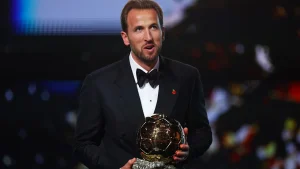
Ballon d’Or 2026: Harry Kane, Lamine Yamal and Football’s Biggest Night Arrive in London
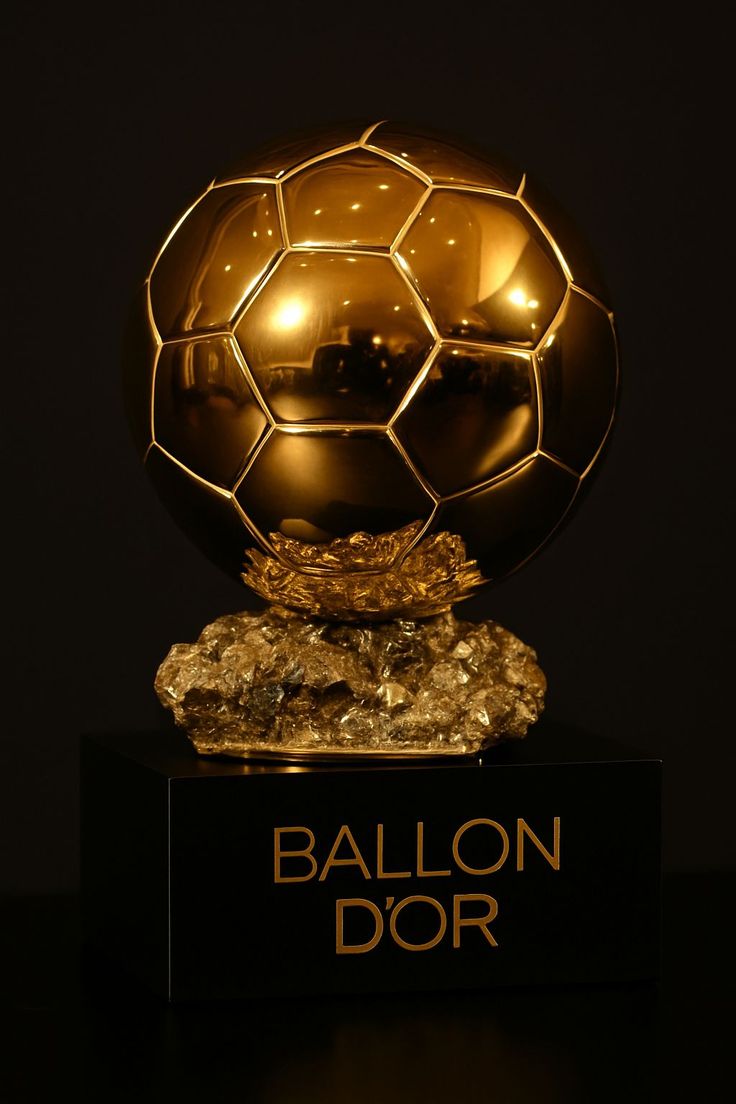
The 2026 Ballon d’Or takes centre stage in London tonight as Harry Kane, Lamine Yamal and football’s biggest stars compete for the sport’s most prestigious individual award.
Read more: Ballon d’Or 2026: Harry Kane, Lamine Yamal and Football’s Biggest Night Arrive in LondonTonight, the football world turns its attention to London. The biggest names in the game are gathering for an evening that could define careers, celebrate extraordinary seasons and create memories that football fans will discuss for years to come.
The 2026 Ballon d’Or ceremony is taking place at the London Palladium on Monday, 26 October. This year’s event carries special significance: the award celebrates its 70th anniversary, honouring a tradition that began in 1956 when England’s Stanley Matthews became its first winner.
But the central question remains the same: who deserves to be crowned the best footballer in the world?
With Harry Kane, Lamine Yamal, Kylian Mbappé and other leading stars among the nominees, anticipation is building ahead of the announcement. For some players, tonight could represent the reward for years of dedication. For others, it could be another painful reminder that individual football awards are decided by fine margins.
Harry Kane and Lamine Yamal Lead the Conversation
Two names have attracted particular attention ahead of the ceremony: Harry Kane and Lamine Yamal.
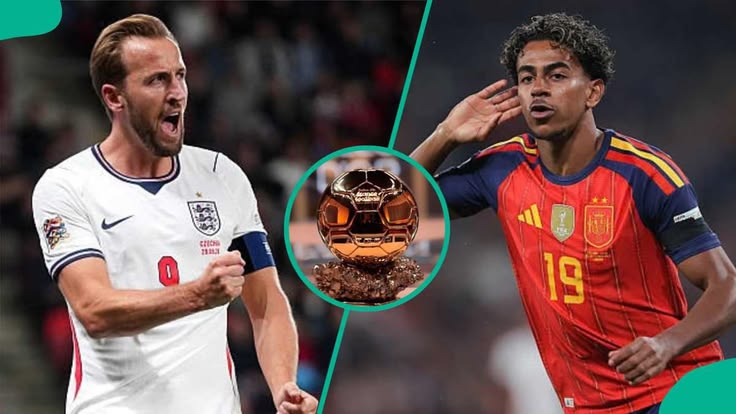
Harry Kane: The striker chasing football immortality
For Harry Kane, the 2026 Ballon d’Or represents an opportunity to place his name alongside the greatest players in football history.
The England captain has built his reputation on elite finishing, intelligent movement, consistent goalscoring and the ability to deliver under pressure. His performances for Bayern Munich and England have placed him among the leading candidates for the award.
Kane’s case is built around a quality every great striker needs: consistency. Scoring goals is difficult, but maintaining an exceptional level across a demanding season requires discipline, mental strength and remarkable physical preparation.
A Ballon d’Or victory would carry enormous significance for English football. It would also represent a major personal milestone for a striker whose career has been defined by his pursuit of the highest honours.
However, the competition is fierce, and the final decision belongs to the voters.
Lamine Yamal: The teenager challenging the established order
Lamine Yamal represents a different kind of story.
Still remarkably young, the Barcelona forward has already established himself among the most exciting attacking players in world football. His close control, creativity, fearless dribbling and ability to influence important matches have made him one of the sport’s most closely watched talents.
Yamal’s international achievements, including his role in Spain’s World Cup triumph, have strengthened the argument that his influence extends beyond club football.
Winning the Ballon d’Or at such a young age would be a historic statement. It would suggest that the next generation is not simply waiting for football’s established superstars to step aside.
It would also raise an important question: should the award primarily recognise the best individual performances over the evaluation period, or should a player’s age and extraordinary potential influence the discussion?
Ultimately, Yamal must be judged against the same central standard as every other nominee: what he delivered on the pitch.
The Other Superstars Who Could Shape the Night
Although Kane and Yamal dominate much of the pre-ceremony discussion, the Ballon d’Or race includes several other major names.
Kylian Mbappé remains one of football’s most dangerous attacking players. His pace, finishing and ability to change matches in a moment make him a serious presence in any discussion about the world’s best.
Ousmane Dembélé, the reigning men’s Ballon d’Or winner, enters the evening with the challenge of defending the status he earned in 2025. Retaining football’s most famous individual award is a difficult task, particularly when other elite players have compelling cases of their own.
Lionel Messi, an eight-time winner, also appears among the nominees. His presence is a reminder of an extraordinary era in football history, although his legacy and previous achievements should not replace an assessment of his performances during the relevant award period.
Other nominees, including Jude Bellingham, Erling Haaland, Michael Olise, Vitinha and Declan Rice, will also be part of the conversation.
The strength of this field demonstrates how difficult it is to compare players who perform different roles, play in different leagues and contribute to their teams in different ways.
What Makes the Ballon d’Or So Special?
The Ballon d’Or is more than a golden trophy. It represents individual excellence in a sport where success depends heavily on teamwork.
A striker may be judged by goals, but a midfielder’s contribution can involve controlling the tempo, creating chances and recovering possession. A defender may influence a season through positioning, leadership and consistency, while a goalkeeper can change a team’s fortunes through decisive saves.
This creates one of the award’s most enduring debates: how should individual greatness be measured in a team sport?
Trophies matter. Goals matter. Assists matter. Yet none of these statistics tells the entire story.
The best evaluation considers the complete picture: individual performances, consistency, decisive contributions, sporting impact and the quality of a player’s work throughout the relevant period.
The Ballon d’Or is also a reminder that football is watched and interpreted differently around the world. Supporters bring their own loyalties, memories and expectations to the debate. That is part of what makes the award so compelling.
The 70th Anniversary: A Special Night for Football History
The decision to stage this year’s ceremony in London is particularly fitting.
The inaugural Ballon d’Or was awarded to Stanley Matthews in 1956. Seventy years later, the event returns to England to celebrate the history of a prize that has recognised generations of extraordinary footballers.
Over the decades, the trophy has become associated with legendary names such as Lionel Messi and Cristiano Ronaldo, whose long-running rivalry helped define modern football.
Today, the conversation has expanded. A new generation is emerging, established superstars continue to compete, and the women’s game receives increasing recognition through the Women’s Ballon d’Or and other awards.
The 2026 ceremony therefore offers two experiences at once: a celebration of football’s past and a glimpse of its future.
Beyond the Men’s Ballon d’Or: Every Award Matters
Although the men’s award often attracts the greatest headlines, tonight’s ceremony recognises excellence across football.
The programme includes the Men’s and Women’s Ballon d’Or, young talent awards, goalkeeper awards, coaching honours, club awards, striker awards and the Sócrates Award.
These categories recognise the many people and performances that make the sport special.
The goalkeeper awards celebrate players whose work can determine the outcome of an entire season. The young talent awards highlight emerging stars who may shape football for years to come. Coaching awards recognise the tactical decisions, leadership and preparation behind successful teams.
The women’s awards are equally important. They provide an opportunity to celebrate elite performances and recognise the athletes driving the women’s game forward.
Football is not defined by one player or one position. Tonight’s ceremony should reflect that wider reality.
Who Should Win the 2026 Ballon d’Or?
This is the question that will dominate conversations among supporters, analysts and former players.
Kane has a compelling case based on his goalscoring and consistency. Yamal offers the excitement of a young player already influencing football at the highest level. Mbappé brings elite attacking quality, while other nominees can point to their own outstanding contributions.
There is no shortage of arguments.
However, the fairest approach is to separate reputation from performance. A famous name should not automatically win, and a young player’s potential should not outweigh what has actually been achieved.
The strongest candidate should be the player whose performances during the award’s evaluation period best meet the criteria.
Until the official announcement, predictions remain predictions. The final result must be confirmed by the organisers.
What Football Fans Should Watch Tonight
Beyond the identity of the winner, several storylines make the ceremony worth following.
The final rankings: The complete standings will reveal how close the race really was and which players gained the greatest recognition from voters.
The next generation: Yamal and other emerging stars could provide an indication of how football’s individual hierarchy is changing.
The established champions: The results will show whether experienced superstars remain at the summit or whether a new group is taking control.
The women’s awards: The women’s Ballon d’Or and supporting categories deserve attention in their own right, celebrating a year of elite competition.
The emotional moments: Awards nights often produce speeches, reactions and family celebrations that reveal the personal stories behind professional success.
For supporters, these moments are part of the attraction. The trophy may be individual, but the journey behind it rarely is.
Final Thoughts: One Trophy, Countless Stories
The 2026 Ballon d’Or is an opportunity to celebrate what makes football such a powerful global sport.
Behind every nominee is a season of training, sacrifice, pressure and expectation. Behind every goal are teammates, coaches and supporters. Behind every major achievement is a story that extends far beyond the final score.
Whether Harry Kane, Lamine Yamal or another nominee takes home the men’s trophy, tonight’s ceremony will mark another chapter in football history.
The debate will continue after the winner is announced. Some supporters will celebrate, others will disagree, and new arguments will begin before the next season has even reached its conclusion.
That is the beauty of football.
The world is watching. The nominees are waiting. And one of football’s most prestigious individual honours is about to find its next winner.
About The Author