VAR’s Impact on Soccer Tactics and Behavior
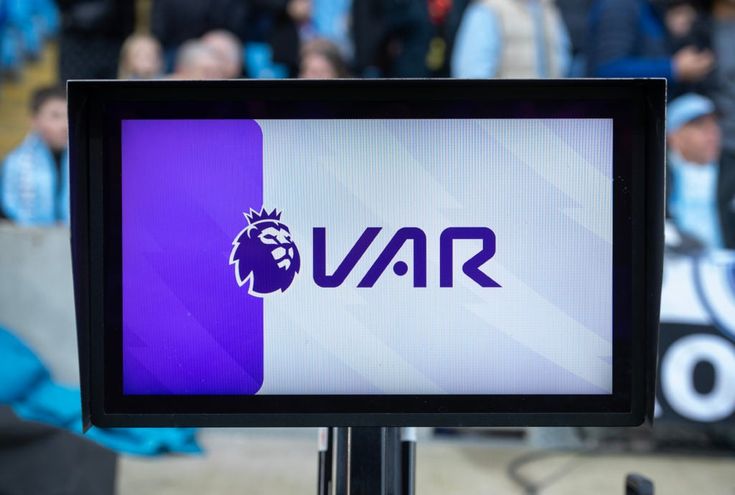
The implementation of Video Assistant Referee (VAR) technology has altered not just officiating, but the fundamental tactical calculus of modern football.
Read more: VAR’s Impact on Soccer Tactics and BehaviorWhen every action is subject to microscopic, high-definition review, teams and players are forced to adapt their physical behavior, emotional reactions, and strategic planning.
1. The Decline of the Classic “Tactical Foul”
Traditionally, tactical fouls—cynical trips, shirt-pulls, or forceful challenges meant to break up a dangerous counterattack—were calculated risks. Defenders gambled that a referee at ground level would either miss the intent or award only a minor free kick.
VAR has drastically changed this equation:
- Elimination of Off-the-Ball Cynicism: Off-the-ball obstruction, subtle elbowing, and hidden shirt-tugs inside the penalty box during set pieces are easily detected by VAR operators.
- Reduction in Severe Misconduct: Quantitative studies across European leagues show a notable drop in outright violent conduct and dangerous tackle attempts. Players know that any tackle with excessive studs-up force will be upgraded from a yellow card to a direct red card.
- Shift to “Clean” Delaying Tactics: Instead of making physical contact to stop transitions, teams now rely heavily on positional blocking, shadow-pressing, and jockeying to force opponents wide without risking a foul.
2. Behavioral Shifts in Penalty Area Defense
Defending inside the 18-yard box has undergone its biggest evolution in decades, primarily due to VAR’s strict oversight of handballs and minor contact.
The “Hands Behind the Back” Posture
Modern defenders now routinely tuck both arms behind their backs or lock them tightly against their torsos when blocking crosses. Because VAR replays amplify any unnatural arm extension, defenders deliberately sacrifice natural movement, balance, and reach to remove the risk of an automated handball review.
De-escalation of Penalty Box Jostling
Before VAR, corner kicks and set pieces involved heavy pushing, grappling, and shirt-holding. With camera angles watching every angle, defenders have shifted from holding attackers to using zonal blocking or relying purely on timing and jump reach.
3. High Lines, Offside Traps, and Delayed Whistles
Offside calls—now reinforced by Semi-Automated Offside Technology (SAOT) and high-speed ball tracking—have reshaped attacking and defensive lines:
            ATTACKING IN THE VAR ERA

   [ Delayed Offside Whistle ]
                │
                ▼
   [ Complete the Phase / Shoot ] ──► (Generates Corner / Goal / Penalty)
                │
                ▼
   [ Post-Goal VAR Review ] ──────► (Goal Stands OR Overturned cleanly)
- Playing to the Whistle: Linesmen are instructed to keep their flags down during tight offside situations until the attacking phase concludes. Attackers now sprint and shoot regardless of position, while defenders can no longer rely on stopping play by raising their hands.
- Higher Defensive Lines: Teams that employ aggressive pressing (e.g., Manchester City, Bayern Munich) can play a higher defensive line with greater confidence. They know that even if a linesman misses an opponent starting 2 inches offside, the technology will catch it if a goal is scored.
4. Macro Tactical Adaptations
| Tactical Area | Pre-VAR Era | Modern VAR Adaptation |
| Set Piece Attacking | Blocking and crowded physical interference | Seeking isolated mismatches; drawing subtle contact in the box |
| Counter-Attacking | Reliance on quick referee whistles to reset | Pushing transitions further; exploiting play continuation |
| Penalty Taking | Traditional power or placement runs | Slowed, multi-pause run-ups to force goalkeeper movement first |
| Game Tempo | Continuous emotional momentum | Managing “VAR dead time” to reset tactical structures and fatigue |
5. Psychological Warfare & “VAR Dead Time”
The 2- to 3-minute interruptions required for VAR checks have introduced a new tactical variable: momentum management.
- Tactical Resets: Coaches treat VAR delays like informal timeouts. Captains and key playmakers gather near the touchline to receive instructions, drink water, and recalibrate tactical shape.
- Disrupting Penalty Takers: During long VAR penalty reviews, goalkeepers and defenders actively use the dead time to engage in psychological warfare—delaying the kicker, scuffing the penalty spot, or forcing the taker to overthink their placement.
About The Author